The Best Shoes for Hammer Toes
18 November 2026
Hammer toes is the name for a condition where one or more toes bend downward at the middle joint rather than lying flat. It can cause pain and discomfort from rubbing, along with corns or calluses where the toe presses.
This is a common condition that develops gradually, but thankfully, a meaningful difference can be made by choosing the right footwear - both in terms of slowing its development and easing your discomfort if you have a hammer toe. In this guide, we’ll explore the condition and help you find shoes to reduce your pressure and pain.
Here’s what we’ll cover:
- What are hammer toes?
- What to look for in shoes for hammer toes
- Tips on choosing the right shoes for hammer toes
What are Hammer Toes?
A hammer toe is a deformity caused by a toe bending downward at the middle joint, rather than lying flat. It often impacts the second, third or fourth toes, and is named for the hammer- or claw-like appearance.
The cause is an imbalance in the muscles, tendons or ligaments that hold the toe straight, causing it to bend and stiffen over time. Early in the development of the condition an affected toe can still be bent - known as flexible hammer toe - but left unaddressed the toe can become fixed (rigid).
Recognisable symptoms of hammer toe include:
- A visibly bent toe
- Pain when wearing shoes
- Corns or calluses on the top of the bent toe joint, or on the tip of the toe
- Difficulty flexing the toe
Shoes that don’t fit well are a leading contributor to hammer toe. If they are too narrow, pointed, or short they can force the toes into a bent position.
What to Look for in Shoes for Hammer Toes
Footwear can have a significant impact on hammer toe, both on its development (tight, cramped shoes) and on the easing of its symptoms. In this section we’ll explore what to look for in shoes to help ease the pain and discomfort associated with hammer toe.
Bear in mind that seeing a GP or podiatrist for an assessment, especially if you’re finding the toe becoming rigid or painful, is recommended. This guide is intended as information and should not substitute professional advice.
Wide Toe Box
Hammer toes need space horizontally and vertically to ensure the bent joints aren’t compressed, which makes wide-fit shoes, for both men and women, perfect. A deep, wide toe box allows your toes to sit as naturally as possible and minimises rubbing.
Avoid pointed or tapered shoes: these squeeze the toes together and can worsen the bend - and the associated pain.
Soft & Flexible Upper
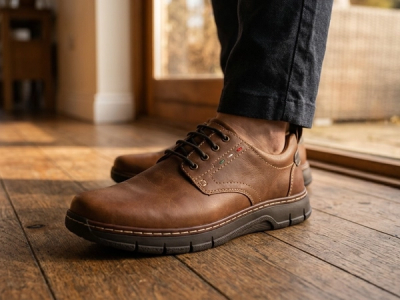
A soft, flexible upper on your shoe moves with your foot and gives space for the bent joint rather than pressing against it. Leather, synthetic stretchable fabrics, and flexible mesh all reduce friction on the raised joint and can reduce the risk of calluses or corns forming.
Stiff, rigid uppers, on the other hand, concentrate pressure precisely on the most vulnerable part of a hammer toe.
Low Heel
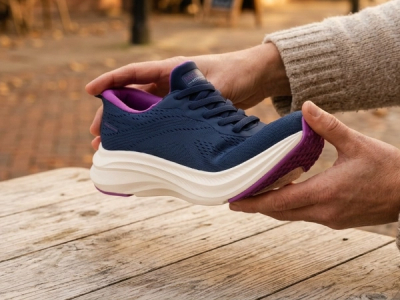
High heels push your feet forward and force the toes into a cramped position at the front of your shoe. If you suffer from hammer toe, this directly aggravates the condition.
A low heel, however, will keep the weight distributed evenly across your foot and take the pressure off your toes.
Arch Support
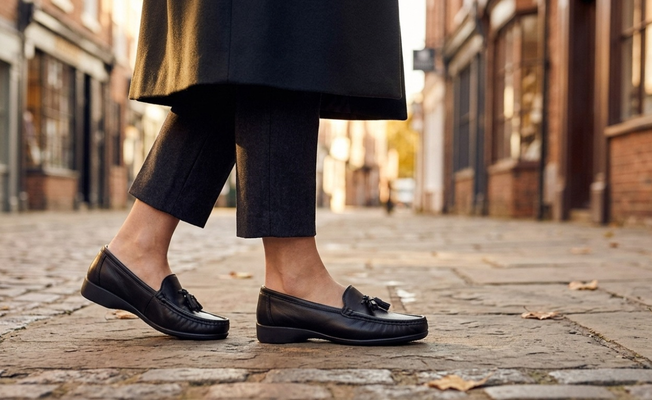
Good arch support keeps your feet properly aligned in your shoes and distributes weight evenly. This reduces the muscle imbalance that can contribute to hammer toes, making this a good preventative feature.
Look for contoured footbeds or inbuilt arch support, and bear in mind that removable insoles allow for a custom orthotic to be added later if recommended by a podiatrist.
Cushioned Insole
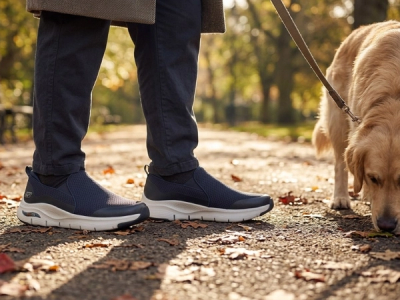
Cushioned insoles soften each step, reducing the pressure on the ball of your feet and across your toes. Shoes with memory foam insoles are especially good because they mould to your feet and spread the pressure away from sensitive joints.
This feature is ideal when corns or calluses have already formed, as it takes the pressure from them. As above, look for removable insoles to allow for cushioning to be swapped for custom orthotics if needed.
Adjustable Closures for Custom Fit
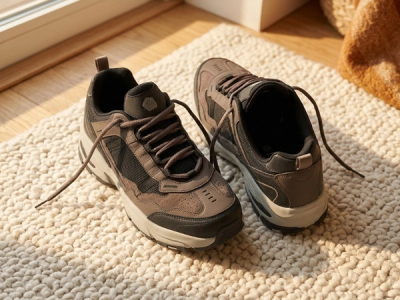
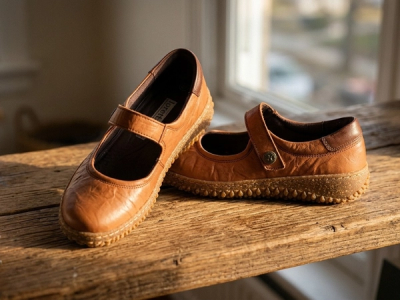
Being able to loosen the fit of your shoe over your toes and forefoot gives you control of how much pressure is on your feet. Laces, hook-and-loop fastenings, or adjustable straps give you this control and are recommended for sufferers of hammer toe.
Lacing technique makes a difference too: skipping eyelets over the highest part of your foot can relieve pressure - an easy and effective adjustment you can make.
Adjustable closures also allow more space for custom orthotics, if and when they become necessary.
Seamless Interior Lining
Many shoes have seams that sit close to where bent toes rub, which can cause irritation, corns and blisters. Smooth interior linings remove these friction points and offer protection to sensitive tops and tips of toes.
These are particularly helpful if you’ve already developed corns or calluses.
Tips on Choosing the Right Shoes for Hammer Toes
Knowing the right features is a big part of the puzzle, but there are a few other tips that can help to make sure your new shoes will have the best possible impact.
- Shop at the end of the day: this is when your feet are at their largest, meaning any shoes that are comfortable when you try them on are more likely to be comfortable the rest of the time
- Measure both feet and fit to the largest one: our feet have slight variation, with one naturally a bit larger than the other. Fitting your shoes to your biggest foot can prevent rubbing - just remember to remeasure periodically, as foot shape can change over time
- Check depth as well as width: a wide, shallow shoe may still rub your toe joint. Look for vertical space as well as horizontal
- Choose comfort from the first wear: with hammer toes, you want shoes that are comfortable right away. Avoid any that need you to wear them in before they’re comfortable
- Leave a thumb’s worth of width at the front: this space between the end of your longest toe and the end of the shoe gives your toes plenty of space.
- Look for removable insoles: we’ve mentioned this a couple of times already, but it’s worth repeating - removable insoles let you insert custom orthotics if needed, rather than having to get new shoes
- Manage your symptoms beyond shoes, too: stretching and strengthening your toes can help toes retain flexibility, and things like toe splints or pads can relieve pressure and reduce rubbing
- See a podiatrist: if your toes are becoming rigid or the symptoms are becoming hard to manage, talk to a podiatrist. They may be able to advise on treatment or interventions to reduce your pain

Find the Right Fit for Hammer Toes
Hammer toes are common and, very often, manageable. Choosing the right shoes can help to relieve pressure, reduce rubbing, and slow the progression of the condition. And given that the wrong shoes can actively make things worse, it’s definitely worth choosing carefully.
We hope this guide has been useful in explaining what to look for when buying shoes for hammer toes. Shoes in our range that may be suitable include wide-fit shoes for women and men, arch support shoes, and memory foam shoes. Our team is also happy to help with any questions - either via our contact page or in your nearest store.