

The Best Shoes for Underpronation
7 October 2026
Underpronation - also known as supination - is when the foot rolls outwards rather than inwards when you walk or run. The condition can speed up wear and tear on shoes, as well as cause pain and strain in your feet. If you’ve noticed increased wear on the outer edge of your shoes, a feeling of poor shock absorption underfoot, or maybe even more twisted ankles, this article will help.
By choosing the right footwear, it’s possible to manage underpronation symptoms and reduce the strain it places on the body. In this guide, we’ll explore what underpronation is, how the right footwear can help, and which features to look for when choosing your next pair of shoes.
Here’s what we’ll cover:
- What is underpronation?
- How to tell if you underpronate
- Things to look for in shoes for underpronation
- Why proper shoes matter for underpronation
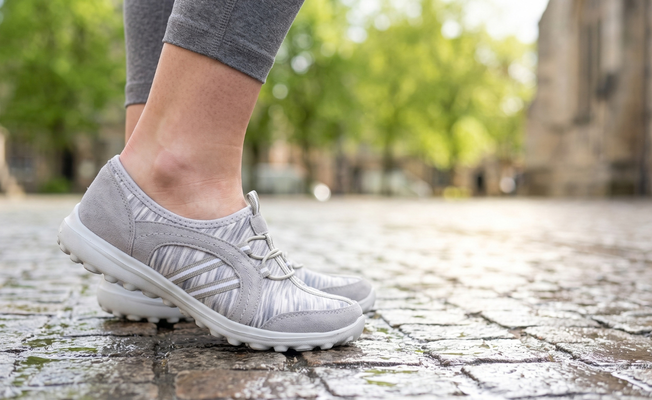
What is Underpronation?
Underpronation is the outward rolling of the foot during the gait cycle, and the opposite of overpronation. Instead of your foot rolling inward to distribute the impact of a step, weight stays on the outer edge - this leads to shock being absorbed poorly and can extend into other symptoms.
Underpronation is associated with high arches, which limit the natural flattening motion of the foot. A tight Achilles or tight calves can also contribute to the condition, along with previous ankle injuries or your natural foot structure.
Because shock isn’t absorbed properly, impact can travel up the legs, increasing the risk of things like:
- Ankle sprains
- Shin splints
- Stress fractures
- Plantar fasciitis
- Knee or hip strain
Thankfully, footwear can compensate for the things an underpronating foot cannot do naturally, reducing the severity of symptoms and potentially slowing the development of the condition.
How to Tell if You Underpronate
There are a few quick checks you can do if you suspect underpronation. It’s also worth talking to a GP or requesting a referral to a podiatrist if you have concerns.
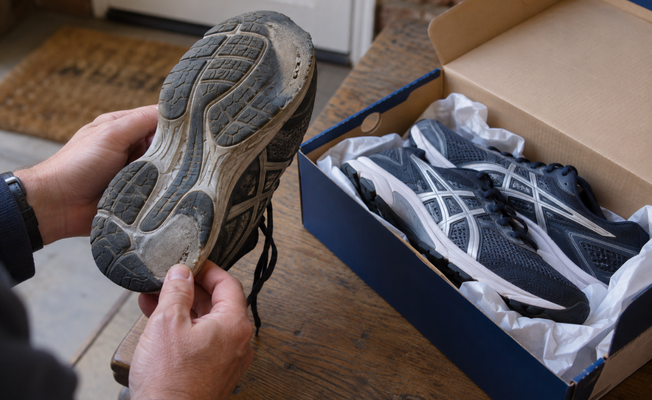
- Check your shoe wear: underpronation leads to wear on the outer edge of the sole, especially at the heel and little toe areas
- Wet footprint test: place your wet feet on a hard flat surface - underpronators leave a thin band connecting heel and forefoot, with little midfoot contact
- Look at your arches: if they’re high, this is a strong clue as high arches often go hand in hand with underpronation
- Recurring niggles: if you frequently roll your ankle outward or suffer with shin splints, these can point to underpronation
- Professional gait analysis: the most reliable way to get an answer: podiatrists, physiotherapist and specialist shoe retailers can carry out professional analysis and diagnose underpronation
Things to Look for in Shoes for Underpronation
Because an underpronating foot absorbs shock poorly, the right shoes for underpronation need to adequately compensate. Here are the features that will help them to do so.
Cushioning
This is the most important feature, as cushioning offers additional shock absorption to compensate for what your feet don’t offer. Soft, responsive cushioning throughout the whole shoe is ideal.
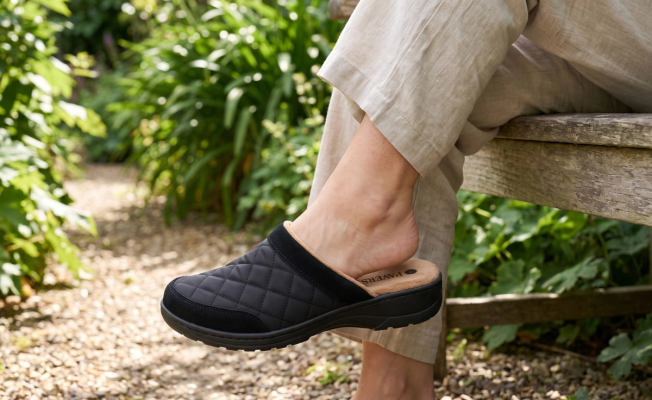
Memory Foam Insoles
Memory foam insoles are effective, too: they mould to your feet and spread the pressure more evenly across the whole sole.
Cushioning is especially important if you’re often on your feet for long periods, or if you regularly walk.
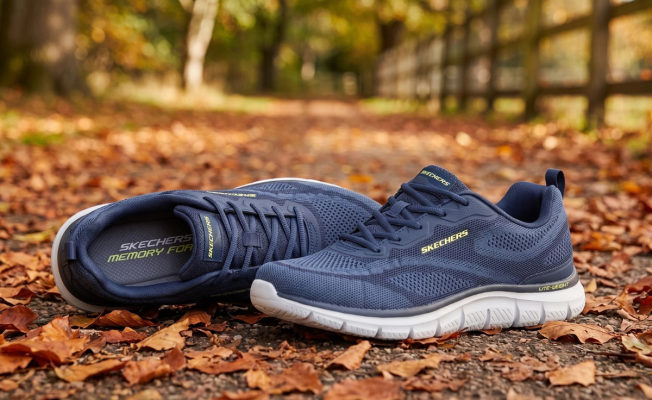
Shock Absorption
Shock absorption supports cushioning by offering further support at the point of impact. This helps to further reduce the amount of force travelling up from the sole of your feet and into your ankles, shins and knees.
EVA foam, gel pods or air-cushioned midsoles can make a significant difference, especially when walking on hard surfaces where impact is greatest.
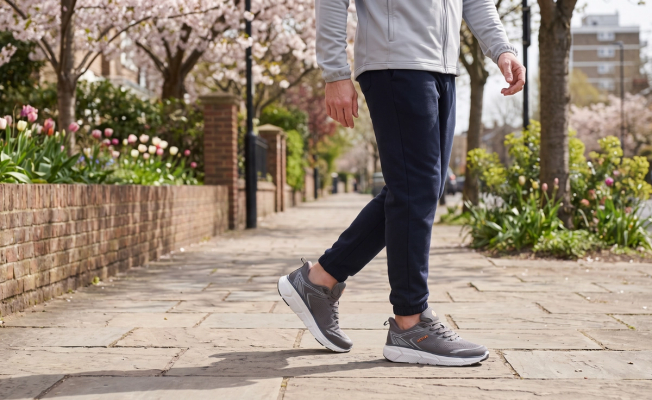
Arch Support
Arch support helps to distribute the load more evenly. With contoured footbeds or a built-in support cradle, you can significantly reduce the strain caused by a high arch. Note that support should fill your arch comfortably rather than feeling like a hard, uncomfortable ridge.
Look for removable insoles when buying shoes: these give you the option to add a custom orthotic later if a podiatrist recommends one.
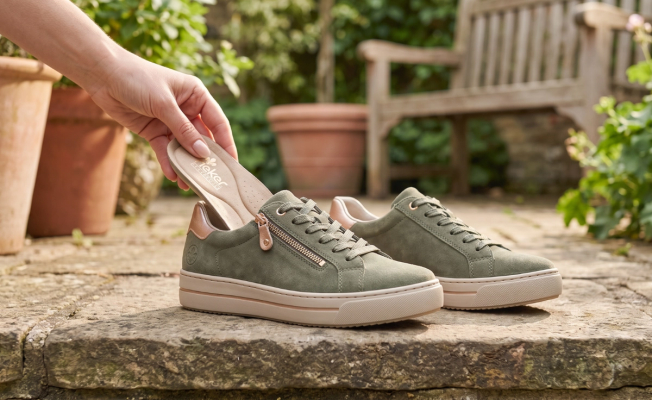
Durability
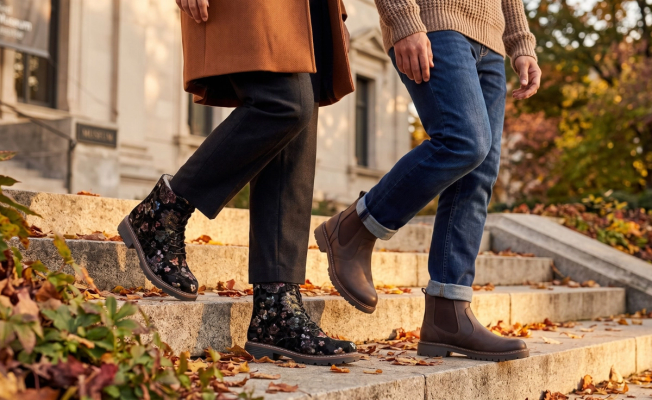
Because underpronation wears shoes unevenly, durable outsoles and sturdy outer construction can help to reduce wear and let your shoes offer support for longer. Look for hard-wearing rubber outsoles and sturdy uppers when buying new shoes.
Also keep an eye on the level of wear, and don’t be afraid to retire your shoes when it starts to appear. Continuing to wear shoes with worn outer edges will reduce the support they offer and contribute to underpronation symptoms.
Lightweight
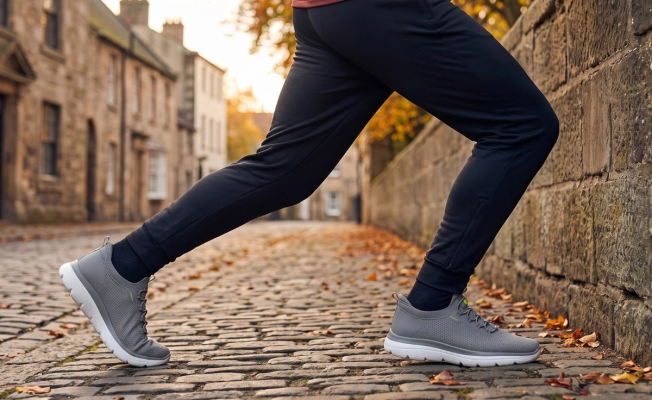
Lighter shoes reduce the effort required to take each step, and cumulatively, this can have a significant impact. Just remember that lightweight shouldn’t mean flimsy: your shoes still need cushioning and support.
Why Proper Shoes Matter for Underpronation
As well as adding comfort, the right shoes for underpronation can actively reduce the risk of injury by absorbing shock and minimising the amount of impact that travels up the body. Wearing the right shoes can manage existing symptoms and prevent them from getting worse, but you should be aware that there is a limit on what footwear can achieve: if you’re still noticing symptoms and experiencing discomfort, we recommend speaking with a professional about other potential interventions.
In the meantime, there are some management tips that can reduce severity of symptoms:
- Stretch regularly: tight calves and Achilles tendons correlate with underpronation, and stretches can reduce their tightness
- Strengthen your foot and ankle: practice balancing and do resistance band exercises to build your muscles and give a more stable gait
- Replace shoes quickly: when your outer sole is worn down, replace the shoe. Otherwise, you risk reinforcing the problem
- Consider custom orthotics: while over-the -counter insoles can help, ones prescribed by a podiatrist are likely to have a much more significant impact
And finally, some buying tips to ensure you get the most appropriate shoes for your underpronation:
- Shop at the end of the day when your feet are the largest, and walk properly in-store when trying them on
- Prioritise cushioning and shock absorption over aesthetics
- If you’re unsure or find that new shoes aren’t helping, get a professional fitting or gait analysis
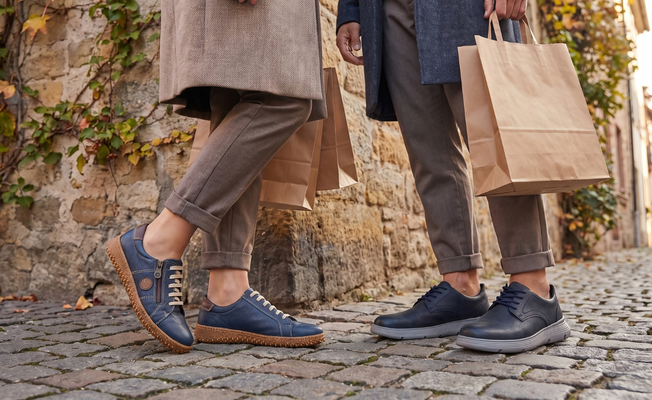
Supportive Shoes that Don’t Sacrifice Style
At Pavers, we’re proud to offer a range of shoes designed to offer comfort and support with underpronation and other conditions. Our memory foam, shock absorption, arch support and lightweight ranges can help to manage underpronation symptoms and reduce your discomfort.