

How to Dry Different Types of Shoes
13 April 2026
Caught in the rain in your favourite shoes and not sure how to dry them? It can happen to anyone: an unexpected downpour, a puddle you didn’t quite see in time, but whatever the reason, wet shoes are unpleasant and need to be dried as quickly as possible to avoid damage.
They also need to be dried correctly: it’s not just a case of whacking them on the radiator and hoping for the best. The right technique for the material will give you a nice, dry shoe and avoid any warping, cracking, shrinking, or even mould that could render them permanently unbearable.
In this go-to resource for drying wet shoes, we’ll be covering:
- General shoe care tips before drying
- How to dry your shoes
- Quick shoe drying hacks
- Tips to prevent future wet shoes
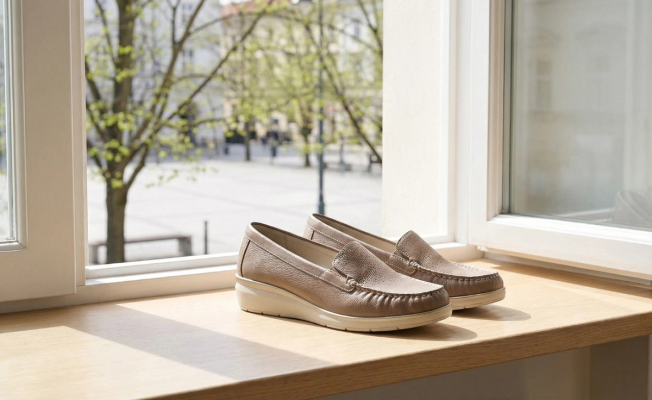
General Shoe Care Tips Before Drying
You stepped in a puddle, and you’ve got wet shoes. Here’s what to do before you take the first step towards getting them dry:
- Remove the insoles and laces: these need to be dried separately, and keeping them in the shoe will trap moisture, making the overall drying process take longer
- Knock off excess mud and debris: this risks drying into the material if still on the shoe
- Avoid direct heat: never use radiators, tumble dryers, or hairdryers on high heat settings, as these can warp soles, crack leather, shrink canvas and even damage the adhesives holding your shoes together
- Pat off surface water: using a clean towel or cloth to get rid of surface water will speed up the drying process
- Stuff your shoes with something absorbent: this has the combined benefit of helping them to hold their shape, and soaking some of the moisture from your shoes – paper towels will work great for this
For all of these tips and subsequent drying steps, the method is as important as speed. Being patient and doing things the right way will help get your shoes properly dry while protecting their ongoing lifespan.
How to Dry Your Shoes
There is no one-size-fits-all guide for drying your shoes, because each material needs different treatment to dry properly in a way that doesn’t cause damage to the shoe. In the sections below, we give step-by-step guides to cleaning all common shoe types and materials.
Leather Shoes
Here’s how to dry your leather shoes:
- Remove the laces and insoles
- Wipe off surface water and mud with a soft cloth
- Stuff your shoes with newspaper or dry cloth
- Leave them to air away from direct heat or sunlight
- Replace the stuffing if/when it becomes saturated
- Once the shoes are fully dry, apply leather conditioner to restore suppleness and prevent cracking
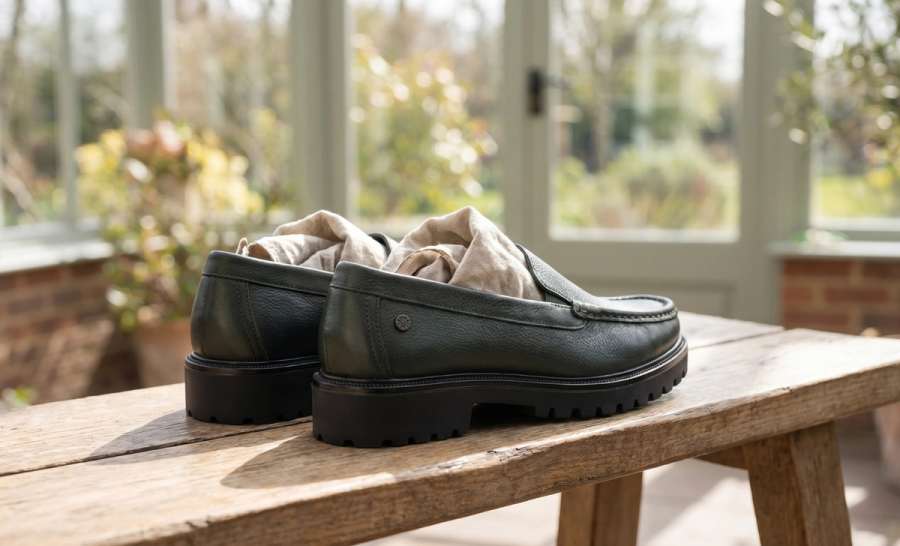
Canvas Shoes
Here’s how to dry your canvas shoes:
- Remove laces and insoles
- Brush off any dried mud with a soft brush
- Blot away excess water with a towel - don’t rub as it can spread dirt through the fabric
- Stuff with newspaper or a dry cloth
- Air dry at room temperature - canvas is very sensitive to heat, so avoid it!
- Replace stuffing if/when it becomes saturated
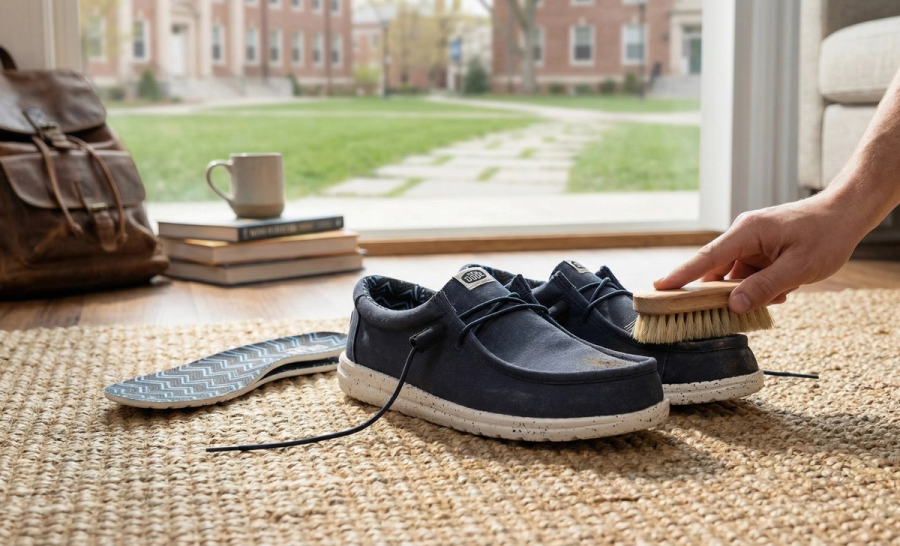
Trainers
Here’s how to dry your trainers:
- Remove laces and insoles
- Remove excess mud with a brush or a damp cloth
- Stuff the toe box with newspaper or microfibre cloth
- Air dry in a well-ventilated space
- Press a dry towel against the uppers to absorb excess water before air drying
Some trainers can be tumble-dried, but not all. If you’re unsure, don’t take the risk.
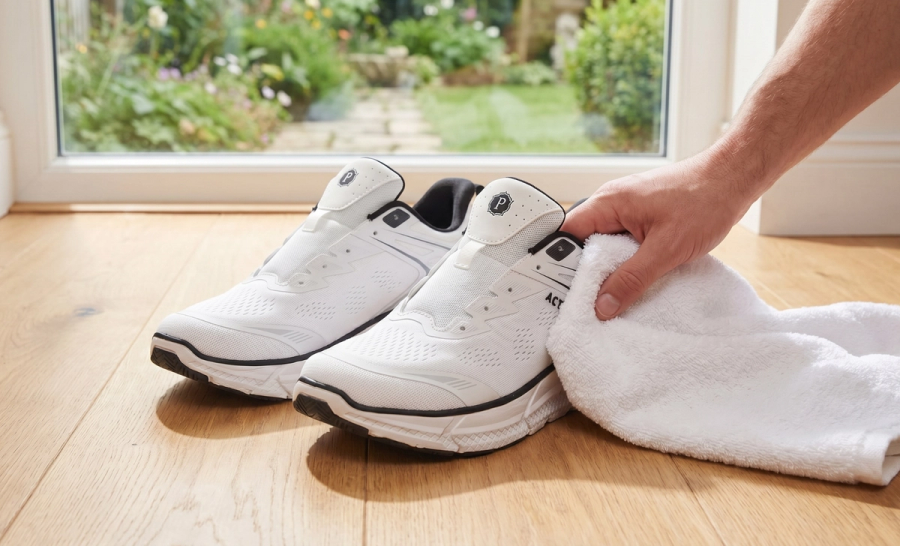
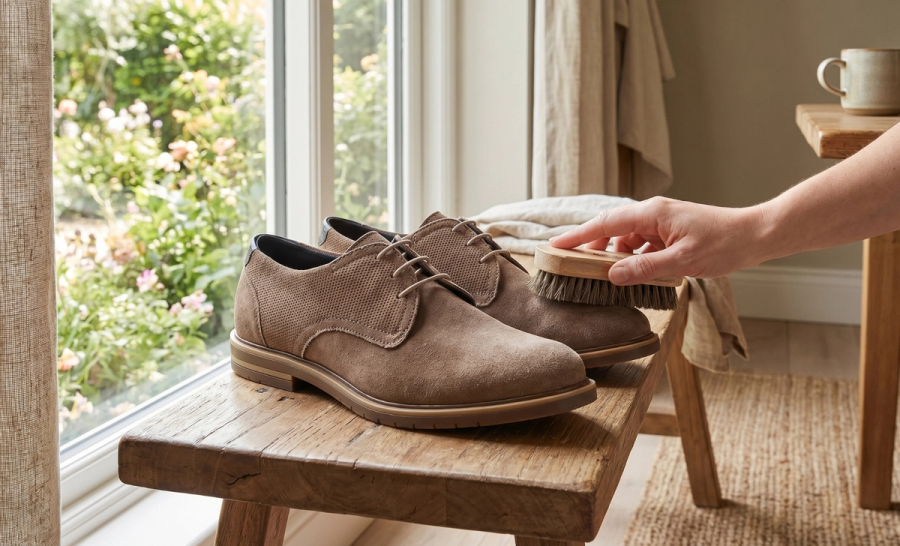
Suede Shoes
Here’s how to dry your suede shoes:
- Act quickly, because suede is susceptible to water staining if left for too long or dried incorrectly
- Blot, don’t rub, excess moisture with a clean cloth
- Stuff shoes with paper towels to hold their shape: don’t use newspaper as ink can transfer to the material
- Let them dry naturally at room temperature, away from heat and sunlight
- Once dry, use a suede brush to restore the nap
- Apply suede protector to protect against future damage
Suede is high maintenance, but it’s more than worth the effort! And drying your suede shoes properly is the best way to avoid damage.
Sandals
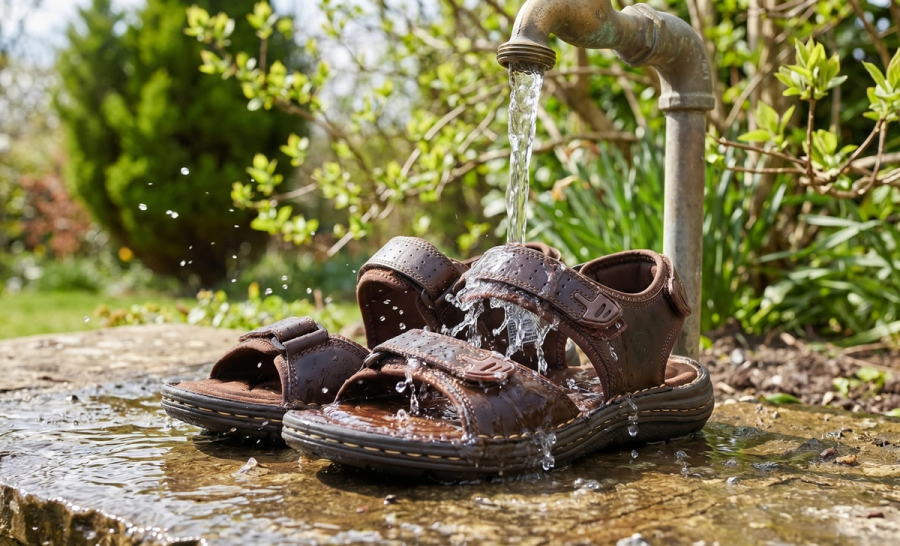
Here’s how to dry your sandals:
- Rinse mud or grit away with cool water
- Pat the sandal dry with a towel, including straps and buckles
- Stand them upright or lay them flat to air dry - avoid hanging from straps as it can stretch them
- Apply leather conditioner to the footbeds, if they’re leather
- Make sure the footbed is fully dry before wearing again, as dampness can cause odour and skin irritation
Make sure to dry metal buckles quickly to avoid rust.
Winter & Waterproof Boots
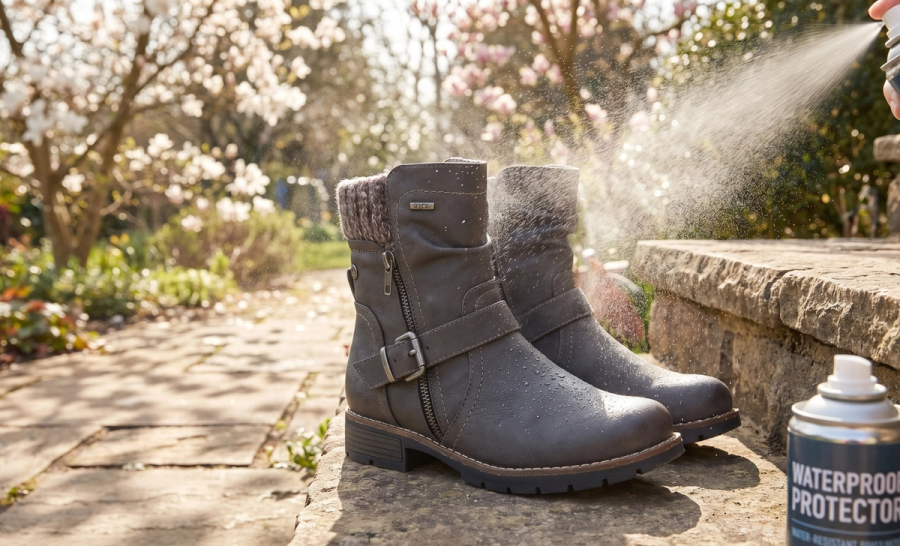
Here’s how to dry your waterproof boots:
- Remove insoles and shake out any water from inside the shoe
- Wipe the exterior with a damp cloth to remove any mud
- Stuff generously with newspaper
- Air dry at room temperature - keep them upright to avoid creasing of the shafts
- Replace stuffing if/when boots are saturated
- Once dry, apply a waterproofing spray to restore the coating
Slippers
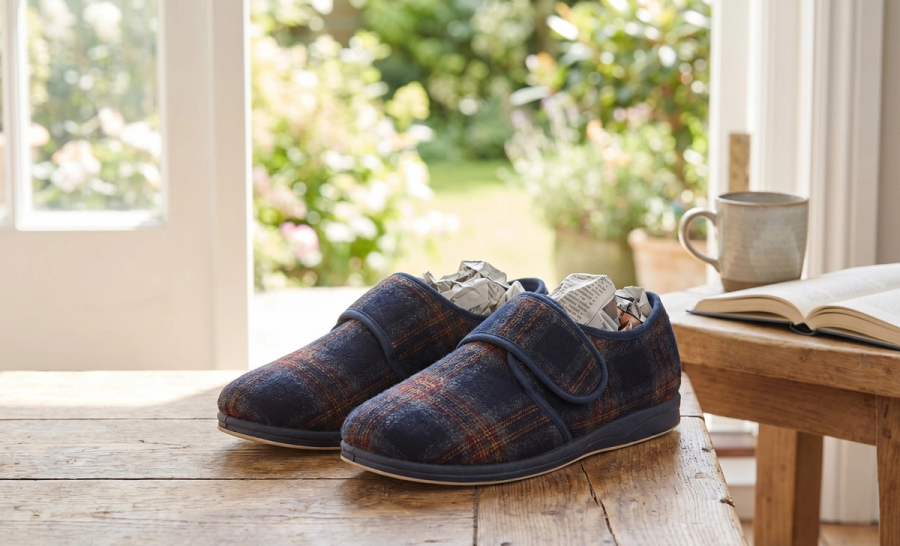
Here’s how to dry your slippers:
- Remove insoles if possible
- For fabric slippers:
- Blot with a dry towel
- Stuff lightly with newspaper
- Air dry flat
- Don’t wring
- For memory foam slippers:
- Press with a towel to absorb moisture - don’t wring as it will damage the foam
- Air dry flat
- Avoid wearing damp slippers as this can cause damage and odour
Slippers can be dried well in a warm airing cupboard.
Quick Shoe Drying Hacks
Looking for quick tips to streamline the drying process? We’ve got you:
- Stuff with newspaper
- Place them in front of a fan - not a heater
- Hang them on cedar shoe trees
- Place a few silica gel packets inside the shoe
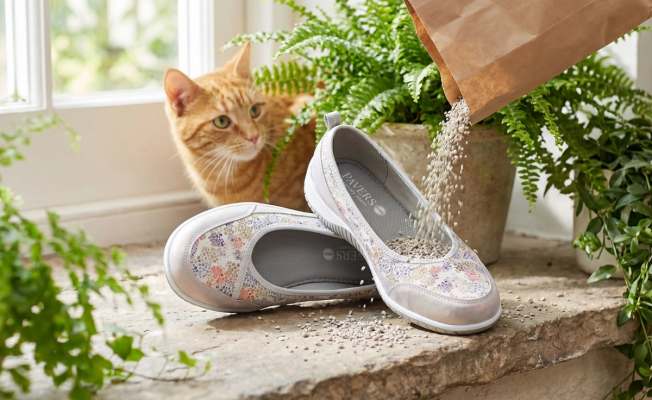
- Place some unscented (and unused!) cat litter inside the shoe
Tips to Prevent Future Wet Shoes
There are also some ways to prevent your shoes from getting wet in the first place:
- Check the weather forecast: the best way to avoid wet shoes is to not take them out in the rain, or when the ground is still wet from a recent downpour. Obviously, we all get caught unawares sometimes, but this is a risk you can mitigate.
- Use waterproofing spray: apply it to new shoes when you buy them and reapply regularly. Especially important for suede and leather.
- Use shoe covers or overshoes: these are great if you do have to go out in the rain, especially on repeat journeys like commutes.
- Rotate your shoes: giving shoes a day off between wear prevents moisture from accumulating as quickly, avoiding odour and dampness.
- Dry before storing: never put wet shoes into boxes or cupboards, as this is a surefire way to attract mould.
- Treat shoes seasonally: leather and suede need conditioning before autumn sets in for maximum protection during wetter months. If you get into the habit of doing this, your shoes will stay dry and healthy for longer.
Dry Feet, Happy Feet
Wet shoes are uncomfortable, more likely to smell bad, and prone to damage. But thankfully, it’s easy to keep your shoes dry and to get them nicely dry without damage if they do get wet.
If you’re looking for your next pair of shoes, take a look at our extensive range today. We’ve got everything from trainers to heels, to sandals and walking boots - pop into your nearest store today!