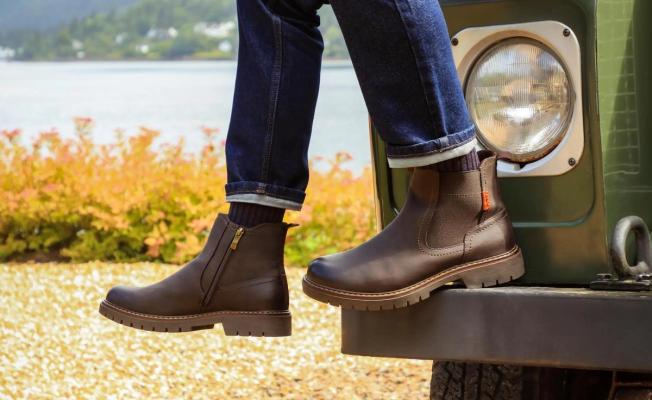

How to Waterproof Boots: Waterproof Boots Guide
9 January 2026
Whether you’re caught in a sudden downpour or commuting in the relentless winter drizzle, waterproof boots are a must-have during wet weather. But while not every pair starts out waterproof, the good news is that with the right care and products, you can easily waterproof your own boots at home.
This guide explains how waterproofing works, outlines the best products to use, and gives you step-by-step instructions for different materials. We’ll also point you towards our waterproof boot collection if you’re after something that’s ready to go.
Here’s what we’ll cover:
- How waterproofing works
- Steps on how to waterproof different material boots (leather, suede, nubuck, synthetic, fabric, rubber)
- How to tell when it’s time to waterproof your boots
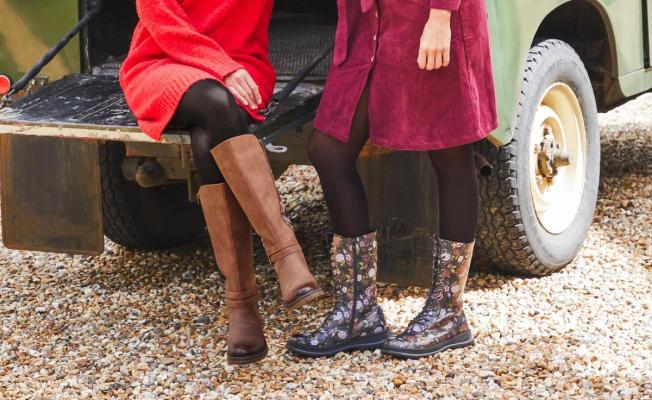
How Waterproofing Works
The objective of waterproofing is to create a barrier between your boots and the elements. Most boots aren’t fully waterproof straight out of the box, especially those made from materials like leather or suede. Instead, they may be water-resistant: i.e. able to handle a splash or light rain but not extended exposure.
Waterproofing works either by coating the surface or soaking into the material to block water while still allowing air to pass through. This helps keep your feet dry without sacrificing breathability. And because no waterproofing treatment lasts forever, regular maintenance is crucial: reapply products every few weeks in heavy weather seasons, or whenever water stops beading on the surface of your boots.
The Difference Between Waterproofing and Water Resistance
It’s also worth understanding the difference between waterproof and water-resistant shoes. In short, waterproof shoes are designed to completely block out water even in extreme conditions, whereas water-resistant shoes offer limited protection, repelling water to a certain degree but eventually allowing it to seep through.
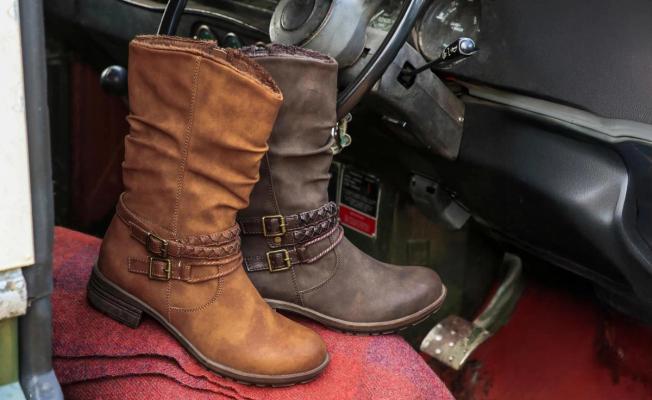
How to Waterproof Different Material Boots - Step-by-Step Guides
Different boot materials require different waterproofing methods, and using the wrong one can do more harm than good. For example, applying wax to suede can ruin its texture and appearance, while using a heavy cream on fabric may block its breathability. That’s why it’s important to match your waterproofing technique to the material: doing so will ensure not just better protection, but also longer-lasting wear.
Below, we’ve broken things down by type, with step-by-step instructions for each.
Leather Boots
Leather boots are durable and stylish, but they need a little help to stay dry. Here’s how to waterproof them:
- Clean the boots: use a soft brush or a damp cloth to remove any dirt or dust. Let the boots dry fully.
- Choose your product: look for a wax-based waterproofing cream or spray designed for leather. Beeswax is a classic option.
- Apply the waterproofing: rub wax gently into the leather with a soft cloth, or spray evenly if using a spray product. Cover the entire surface, especially seams.
- Let it soak in: allow the boots to sit overnight so the product can penetrate the leather.
- Buff if needed: if using wax, buff the boots lightly to restore their finish.
Top tip: Regular conditioning will keep the leather supple, which helps it repel water more effectively over time.
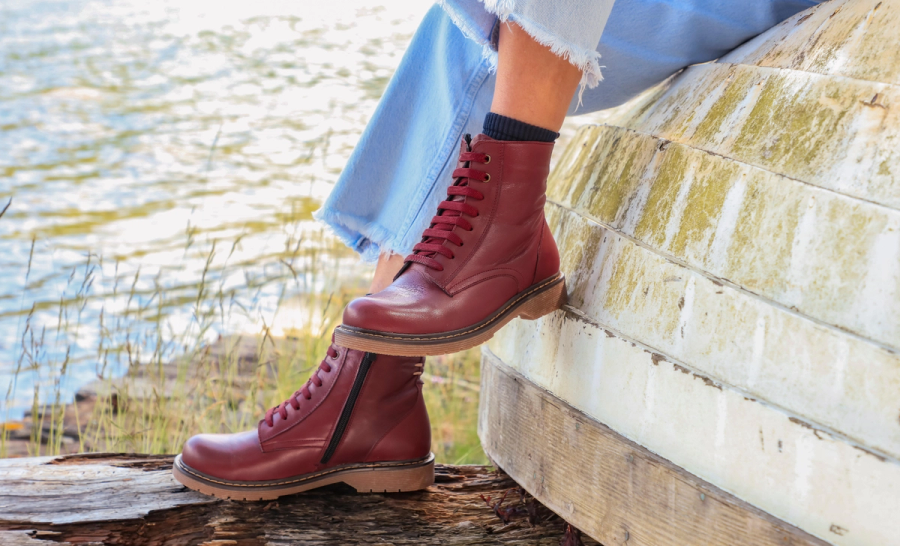
Suede Boots
Suede requires a gentler touch but can still be waterproofed effectively. Here’s how to do it:
- Brush clean: use a suede brush to remove dirt and restore the nap.
- Use a suede-specific waterproof spray: apply evenly across the surface, holding the can 15-20cm away.
- Let dry: allow to dry fully, ideally overnight.
- Repeat: for best results, apply a second coat after the first has dried.
Top tip: Avoid waxes or creams on suede, as they can darken or damage the texture.
Synthetic Boots like PU or Polyester Blends
Many synthetic boots are already water-resistant to some extent, but you can boost their performance with the right product. Here’s what to do:
- Wipe clean: use a damp cloth to remove any surface dirt.
- Apply a universal waterproofing spray: these are designed to work across a range of materials.
- Dry thoroughly: let the boots dry completely before wearing.
Top tip: Synthetic boots often dry quicker than natural materials, making them a good option for wetter climates.
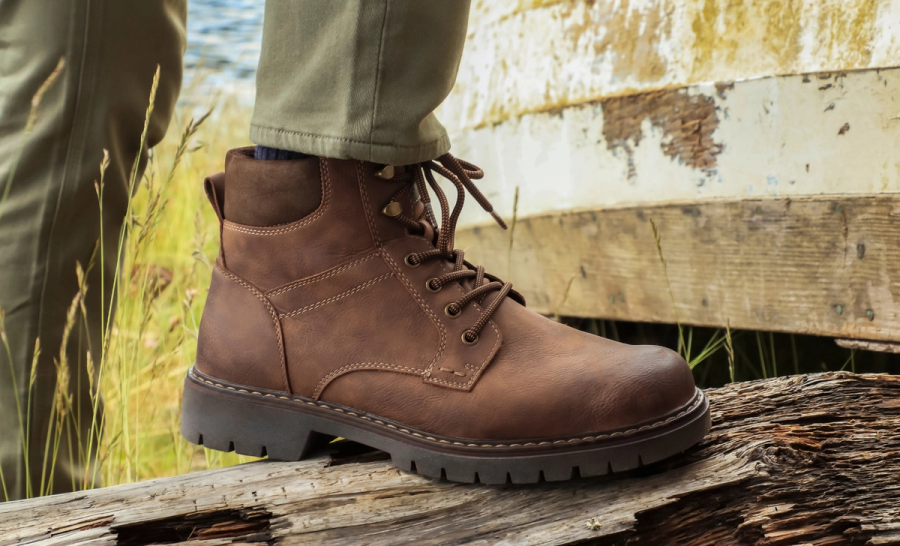
Nubuck Boots
Nubuck is like suede but slightly more durable. Follow the same instructions as for suede, using a nubuck-safe spray. Always test on a small area first to check for discolouration.
Fabric Boots like Canvas or Knit Uppers
Fabric boots are lightweight and breathable but absorb water quickly unless treated. Here’s how to get them ready for wet weather:
- Clean and dry: make sure the fabric is clean and bone dry.
- Apply waterproofing spray: use a fabric-safe product and apply generously, especially around the seams and base.
- Repeat as needed: these boots may need more frequent reapplication compared to leather or synthetic styles.
Top tip: Always dry fabric boots right away if they get wet, otherwise they may acquire a damp smell.
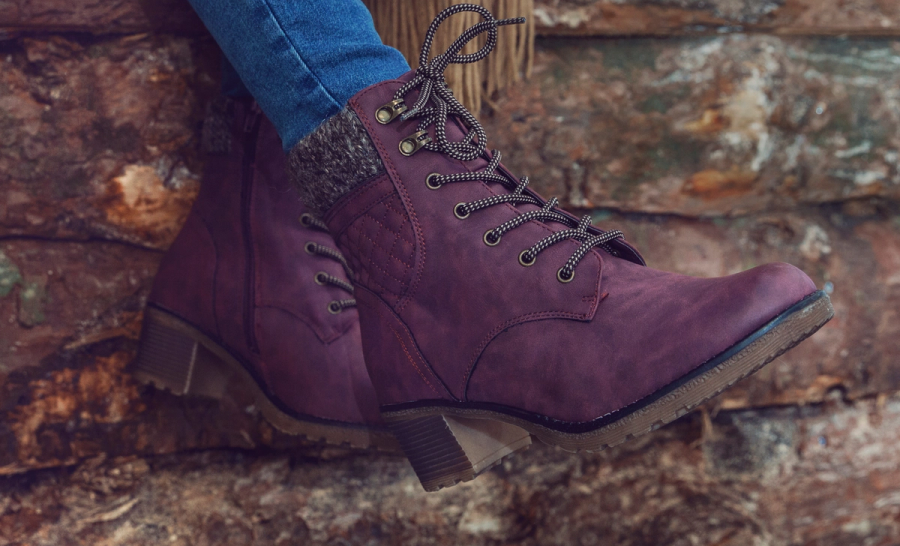
Rubber Boots (e.g. wellies)
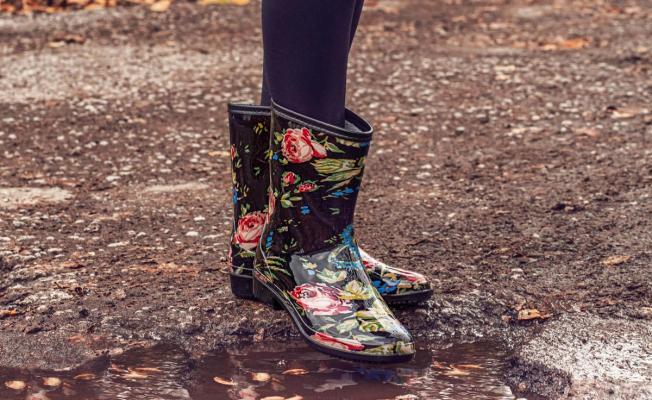
Rubber boots are inherently waterproof but benefit from conditioning to keep them flexible and crack-free.
- Wash with soap and water: use a sponge or cloth to remove dirt.
- Dry thoroughly: wipe dry with a towel.
- Use a rubber conditioner: apply according to the instructions to keep the material supple.
Top tip: Avoid leaving rubber boots in direct sunlight or near heat sources, as this can cause the rubber to degrade.
How to Tell When it's Time to Waterproof Your Boots
Knowing when to waterproof your boots can make a big difference to their longevity and performance. Generally, if water no longer beads up and rolls off the surface of your boots - especially after exposure to rain or wet conditions - it’s time to reapply your waterproofing treatment. Darkened patches or visible soaking are also tell-tale signs that the protective layer has worn off.
Material-specific cues can help, too. Leather may start to feel dry or look cracked, suede may lose its softness or become patchy after drying, and fabric boots may absorb water more quickly than usual. If you notice any of these changes, it's worth giving your boots a fresh treatment to restore their protection.
Explore Our Waterproof Collection and Visit Our Store for More Advice
If you prefer boots that are waterproof from day one, our curated collection is full of stylish, weather-ready options. Whether you’re after rugged walking boots, everyday ankle styles, or fleece-lined wellingtons, you’ll find waterproof boots for every need and season.
Browse the full range of women’s waterproof boots online or visit us in-store to get personalised fitting advice and care recommendations. Our team is always happy to help you find the perfect pair and show you how to keep them in tip-top condition for seasons to come.