

The Best Shoes for Overpronation
11 February 2026
If you've suffered from overpronation, you'll know how frustrating it can be, whether it's that nagging foot pain at the end of a long day, tired ankles after a short walk, or worn-out shoes that never seem to offer enough support. It’s a common issue that can cause discomfort and long-term injury if not properly managed.
However, you’ll be pleased to know that choosing the right footwear is one of the simplest and most effective ways to support your feet and improve your gait. In this guide, we’ll explore what overpronation is, how to tell if you have it, and what features to look for in a supportive shoe.
Here’s what we’ll cover:
- What is overpronation
- How to tell if you overpronate
- Features to look for in shoes for overpronation
- Tips for choosing the right pair
What is Overpronation?
Overpronation is a common but often misunderstood condition that affects the way your feet move when walking or running. If you've ever experienced foot fatigue or noticed unusual wear on your shoes, it's possible you overpronate. Understanding what this means - and how the right footwear can help - is the first step toward more comfortable, supported movement.
When you walk or run, your foot naturally rolls slightly inward to distribute the impact of your steps. However, in cases of overpronation, the foot rolls inward too much, putting excessive strain on the arch and the surrounding muscles, tendons, and ligaments.
This condition can lead to a number of issues, including foot pain, shin splints, plantar fasciitis, knee pain, and even problems with your hips or lower back. While some level of pronation is normal and even necessary for shock absorption, overpronation can throw off your body's natural alignment and affect your overall gait.
How to Tell if You Overpronate
Many people are unaware that they overpronate until discomfort or injury begins to occur. Here are a few ways to tell:
- Wear patterns on your shoes: check the soles of your everyday shoes. If the inner edge is more worn than the outer edge, this could indicate overpronation.
- Footprint test: wet your feet and step onto a flat surface like concrete or a paper bag. If most of your arch makes contact with the ground, it suggests low arches and possible overpronation.
- Frequent injuries or discomfort: regular pain in your feet, ankles, or knees - especially after walking or standing - might stem from improper gait mechanics.
- Professional gait analysis: many footwear stores and physiotherapists offer gait analysis to evaluate how your foot moves and whether you overpronate.
If you suspect you might overpronate, it’s a good idea to seek confirmation before choosing new footwear. Many running shops and podiatrists offer gait analysis services, where your walking or running style is observed and assessed to identify pronation patterns. Identifying overpronation early allows you to choose shoes that better support your natural gait, helping you stay comfortable, active, and injury-free.
Features to Look for in Shoes for Overpronation
The right footwear can have a significant impact on managing overpronation and its symptoms. Below are key features to look for when shopping for supportive, stabilising shoes.
Stability & Motion Control
Shoes with stability or motion control features are designed to reduce excessive inward rolling. These often include reinforced midsoles, medial posts, or firmer foam on the inner edge to guide your foot into a more neutral position. Motion control shoes are particularly helpful for people with severe overpronation.
Arch Support
Good arch support helps distribute pressure evenly and keeps your foot properly aligned. Look for shoes with built-in arch contours or consider adding orthotic insoles if extra support is needed. Proper arch support helps alleviate strain on the plantar fascia and reduces fatigue.
Heel Counters
A firm heel counter (the back portion of the shoe that cups your heel) adds stability by keeping the heel securely in place. This limits unnecessary motion and helps to maintain alignment through the ankle and knee joints.
Cushioned Midsoles
Cushioning helps absorb shock, especially in high-impact activities like walking or running. Look for shoes with EVA foam, gel pods, or air cushioning to protect your joints and reduce fatigue throughout the day.
Proper Fit and Flexibility
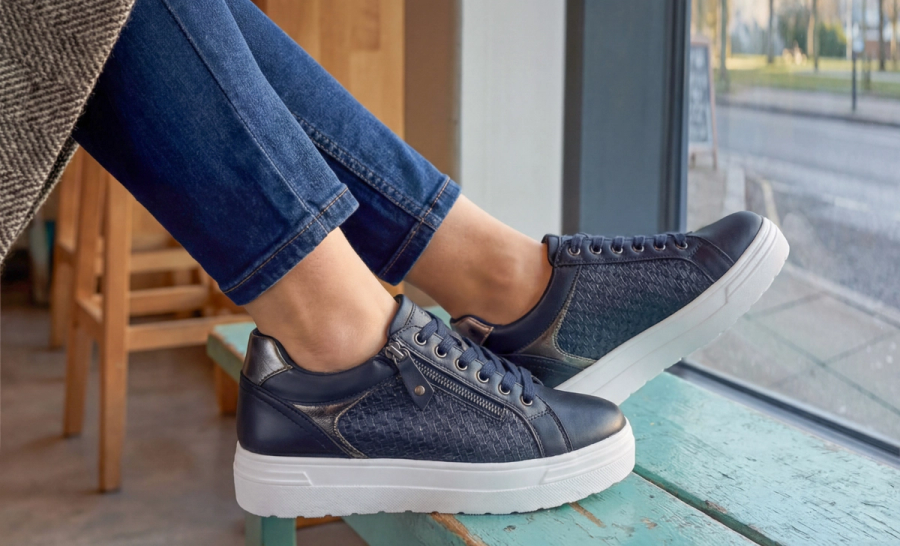
Shoes should offer a snug fit without being tight. Too much space can lead to instability, while shoes that are too tight can cause friction and discomfort. Flexibility at the forefoot is important, but the midsole should still be firm enough to offer support.
Tips for Choosing the Right Shoe
If you’ve identified that you overpronate and are shopping for shoes to help, here are some pointers to point you in the direction of the right pair.
- Try before you buy: you should always try shoes on at the end of the day when your feet are slightly swollen, to help ensure a comfortable fit in real-world conditions.
- Prioritise comfort: a supportive shoe should feel secure and comfortable straight out of the box. If it doesn't, it’s not the right shoe.
- Break them in gradually: even the best supportive shoes need a brief break-in period. Wear them for short periods before switching to them full-time.
- Consider insoles: if your chosen shoe lacks sufficient support, a pair of over-the-counter orthotic insoles can provide extra cushioning and structure.
- Replace worn shoes: as shoes wear out, they become less supportive. Replace them regularly - roughly every 300–500 miles for walking shoes or every 6–12 months for daily wear.
Find Supportive Styles You’ll Love
At Pavers, we’re proud to offer a wide range of shoes designed with comfort and support in mind. Whether you’re looking for increased arch support, cushioned soles, or wider fits, our collection of walking shoes, supportive trainers, and orthotic-friendly designs will help keep your feet happy and comfortable for years to come.
Explore our women’s comfort shoes and men’s supportive styles to find a pair that fits your lifestyle and your stride.