

The Best Shoes for Supination
19 May 2026
Have you ever noticed your shoes wearing unevenly on the outside? Or experienced recurring ankle sprains, or the pain and discomfort arising from the edge of your foot taking a disproportionate amount of the strain? If so, you could be suffering from supination.
This condition - also called underpronation - is less commonly discussed than overpronation issues, but it can be just as impactful if ignored. In this guide, we’ll explore how footwear can help manage the symptoms and reduce your discomfort. We’ll also recommend the best shoes for supination.
Here’s what we’ll cover:
- What is supination
- How to tell if you supinate
- Features to look for in shoes for supination
- Extra tips for managing supination
What is Supination?
In short, supination is the opposite of overpronation. Whereas overpronating feet roll too far inward, supination means the foot rolls outwards during your gait cycle. The result is that weight lands on the outer edge of your foot rather than being distributed evenly across the sole, leading to the symptoms described previously and potentially to knock-on effects like ankle, shin, knee or hip pressure, stress fractures, or plantar fasciitis.
The most common cause of supination is high arches, but things like a tight Achilles tendon, previous foot injuries, or inherited foot structure can contribute to the presence and worsening of the condition. And while supination is less common than overpronation, it can be just as problematic and uncomfortable if left unaddressed. So, whether you suspect supination and want to learn more or already have a diagnosis and experience of the symptoms, read on to find out how the right footwear can help to manage it.
How to Tell if You Supinate
As with overpronation, most people are unlikely to be aware they supinate until they start to experience the symptoms it can lead to. Here are some things to look out for that could indicate the condition:
- Wear patterns on your shoes: if you see excessive wear on the outer edge of your shoe’s sole, particularly at the heel and the little toe side, this is strongly suggestive of supination.
- Footprint test: wet your feet and step onto a flat surface like concrete or a paper bag. If only a thin strip connects the heel to the front of your foot, or if you see no midfoot contact at all, this can suggest high arches and supination.
- Frequent ankle sprains: the outer edge of your foot taking the bulk of the pressure means that your ankles are more likely to roll outward. If you experience frequent rolled ankles, this is a pattern suggestive of supination.
- Pain and fatigue: people who supinate often experience discomfort along the outer angle, shin splints, or knee pain after extended periods of walking or standing.
- Professional gait analysis: if you have suspicions, professional analysis is the best way to get a definitive answer on whether you supinate. Podiatrists, physiotherapists and specialist footwear retailers can help with this.
If you have suspicions - or a confirmation - that you supinate, you need to plan your new footwear accordingly. If you’ve not yet had confirmation, we recommend gait analysis services to get a clear answer - your walking and/or running style will be observed and assessed, helping to identify supination or other contributing factors to your symptoms. This information will equip you to make a better decision on the most appropriate footwear.
What to Look for in Shoes for Supination
Choosing the right shoe can make a significant impact on your symptoms, relieving existing ones and preventing new ones from occurring. Here are some features to look for.
Extra Cushioning
People with supinating feet have less natural shock absorption because of the way the weight is distributed towards the outer foot. Cushioning helps to compensate for this, with memory foam insoles being particularly effective - these mould to the shape of your foot and help to distribute pressure more evenly.
If you are on your feet for long periods or do lots of walking and light exercise, shoes with memory foam insoles are highly recommended.

Flexible Midsole
A flexible midsole encourages your foot to move more naturally through your gait cycle, rather than staying rigid. Where stiff shoes can reinforce supination, ones that flex naturally at the ball of the foot provide more support. If you can bend the forefoot easily when holding the shoe, this is a good sign - just make sure the shoe still feels supportive overall.

High Arch Support
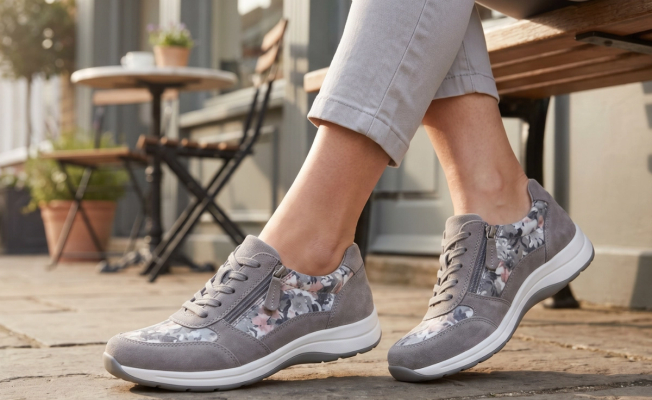
High arches and supination are frequently found together, meaning that supporting the arch can help with supination symptoms. Shoes with arch support help your feet to distribute pressure more evenly, reducing the strain on your ankles and knees.
Wide Toe Box
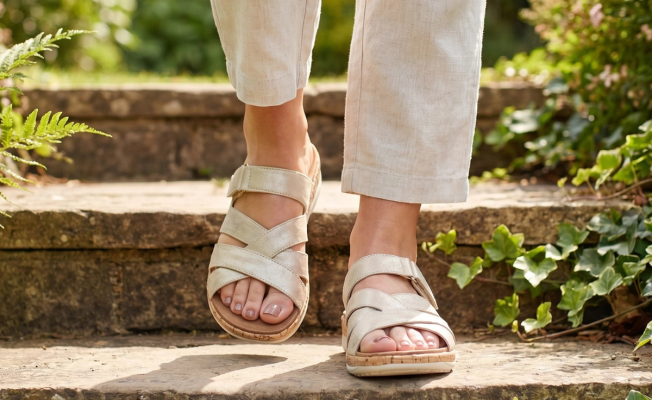
A wider toe box lets your foot spread naturally with each step, reducing the concentration of pressure and the symptoms of supination. Wide fit shoes for women or men are an especially good option if you have noticed callouses or discomfort on your outer toes - a common secondary symptom of supination.
Shock Absorption
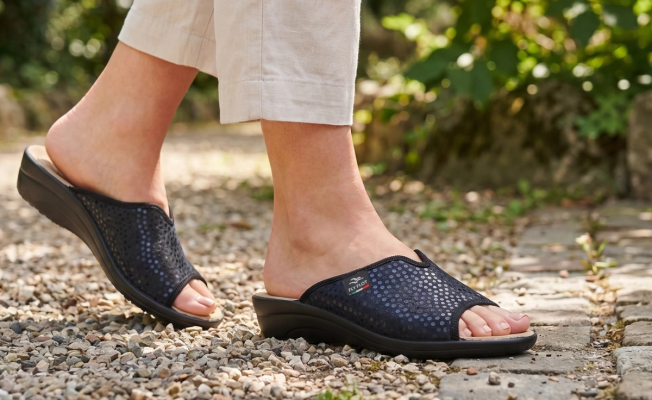
Striking the ground on the outer edge of the foot rather than evenly distributing the impact means that people who supinate experience more localised stress with each step. Shock absorption reduces the cumulative impact, meaning less discomfort after walking, especially on hard surfaces.
Tips for Choosing the Right Shoe
To make sure your new shoes make the biggest impact on your supination symptoms, here are some other things to try:
- Stretch regularly: tight calves and a tight Achilles contribute to supination; daily stretching can limber them up and reduce their impact.
- Strengthen your feet: targeted exercises like towel scrunches and single-leg balance work can support a more natural gait and less strain on your feet.
- Replace shoes regularly: supination speeds up wear on the outer sole, and this quickly becomes a spiral that reinforces the problem rather than managing it.
- Consider custom orthotics: over-the-counter insoles can help, but ones tailored to your feet will be more beneficial. If your symptoms are severe, we recommend this route.
- Try before you buy: shop when your feet are largest (at the end of the day) and make sure any prospective pair is comfortable before buying.
Find the Best Shoes for Supination
At Pavers, we’re proud to offer stylish, comfortable shoes for any feet. Our range includes memory foam soles, wide fit shoes, and plenty more - meaning you’re sure to find something that can help to reduce your supination symptoms. To find out more about which shoes would work well for your needs, pop into a store or contact us - our team will be more than happy to help.
