

The Best Shoes for High Arches & High Instep
27 February 2026
High arches can look elegant, but they can also bring unique challenges when it comes to finding comfortable and supportive footwear. If you’ve ever felt pressure under the ball or heel of your foot, struggled with tight-fitting shoes across the top of your foot, or experienced fatigue after standing for long periods, your arch height could be playing a role.
Choosing the right shoes is essential for maintaining comfort, protecting your joints, and supporting your natural gait - this is true for anyone, but especially people with high arches. In this guide, we’ll explain what high arches and a high instep are, how to tell if you have them, and the key features to look for when shopping for supportive shoes.
The goal is to help you find the right pair of shoes: ones that bring all-day comfort without compromise.
Here’s what we’ll cover:
- What are high arches?
- Features to look for in shoes for high arches
- Tips for managing high arches
What are High Arches & High Instep?
The term high arches (sometimes referred to as pes cavus) is used to describe a foot type where the arch sits higher than average, meaning the foot does not fully flatten during load-bearing - that is, less of your foot makes contact with the ground when you walk.
While arches naturally vary from person to person, a significantly raised arch changes the way weight is distributed across your foot. Instead of pressure being evenly spread, high arches tend to place more strain on the heel and the ball of the foot. Over time, this can contribute to a range of effects, including:
- Heel pain: increased pressure on the heel can lead to persistent soreness, particularly after long periods of standing or walking
- Forefoot discomfort: extra weight through the ball of the foot may cause burning or aching sensations
- Ankle instability: reduced ground contact can make the foot less stable, increasing the likelihood of rolling outward
- General fatigue: uneven weight distribution can tire the muscles in your feet and lower legs more quickly
- Supination (rolling outward): some people with high arches may naturally roll outward when walking, which can affect overall alignment
A high instep is related but slightly different. The instep refers to the top of your foot, and if you have a high instep, you may find that shoes feel tight across the top, even if the length is correct. You may also struggle with slip-on styles or feel pressure from laces. Recognising this early helps you choose designs that offer enough depth and adjustability.
If you’re unsure whether you have high arches, try the simple wet footprint test: wet your foot and step onto a piece of paper. If you see very little of your arch printed between the heel and forefoot, it may indicate a higher arch. If pain is persistent or severe, it’s always wise to speak to your GP, who may refer you for further assessment if needed.
Features to Look for in Shoes for High Arches
The right footwear can make a noticeable difference to comfort and stability. Below are the most important features to prioritise when shopping for shoes suited to high arches and high insteps.
Arch Support
Proper arch support helps fill the gap between your foot and the shoe, promoting better alignment and a more even weight distribution. Shoes designed with built-in support or structured footbeds can help reduce pressure points and prevent fatigue. Explore Pavers’ dedicated arch support collection for styles crafted to offer structure and stability.
Cushioned Insoles
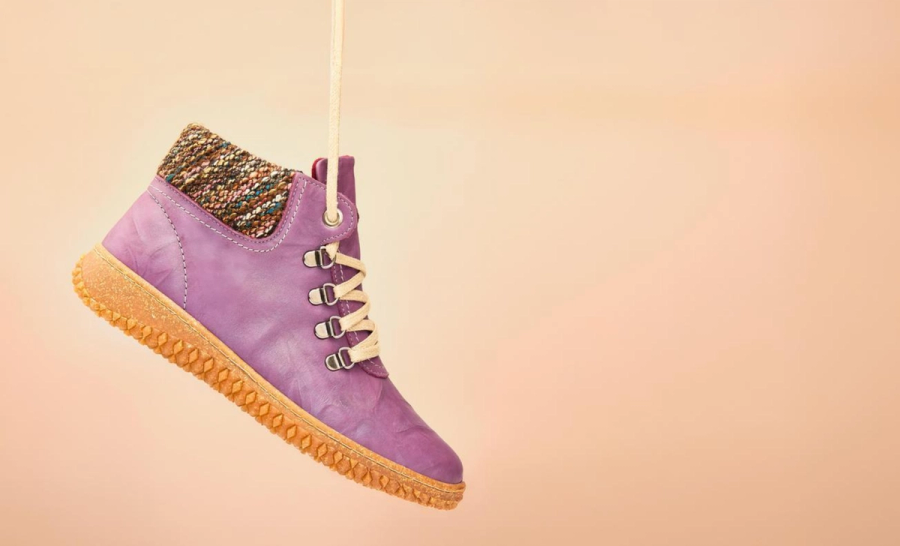
Extra cushioning is particularly important for high arches, as the natural shock absorption of the foot can be reduced. Memory foam and padded insoles help soften impact and improve underfoot comfort. Memory foam insole collection offers styles designed to match the contour of your foot for personalised comfort.
Shock Absorption
Shoes with shock-absorbing midsoles help minimise the strain placed on your joints when walking or standing. Look for flexible yet supportive soles that help dissipate impact with each step. Our shock-absorbing shoes are designed to reduce pressure and support smoother movement throughout the day.
Wide Toe Box
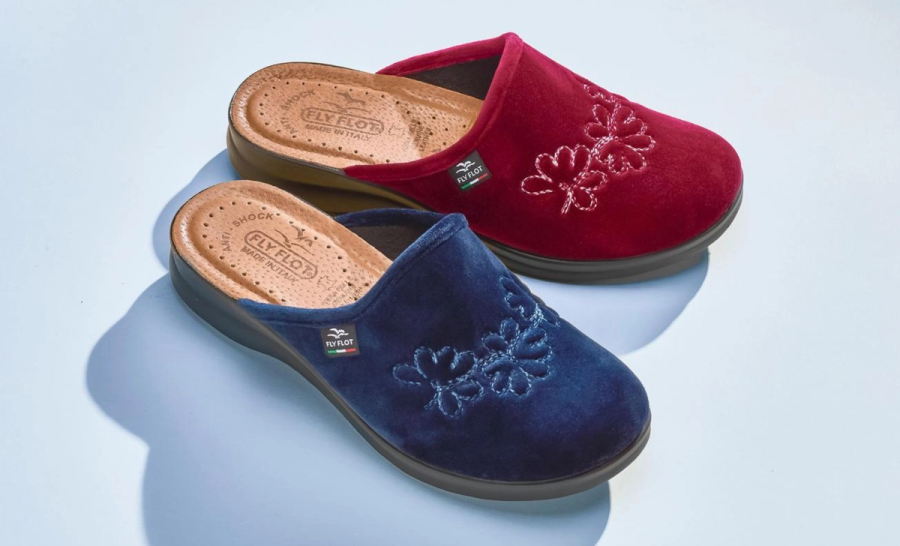
A spacious toe box allows your toes to spread naturally, reducing compression and improving overall balance. This is especially helpful if you have a high instep, as extra depth and width can prevent tightness across the top of the foot. Women’s wide fit and men’s wide fit collections for styles offering extra space without compromising on style.
Rocker Soles or Slight Heel Lift
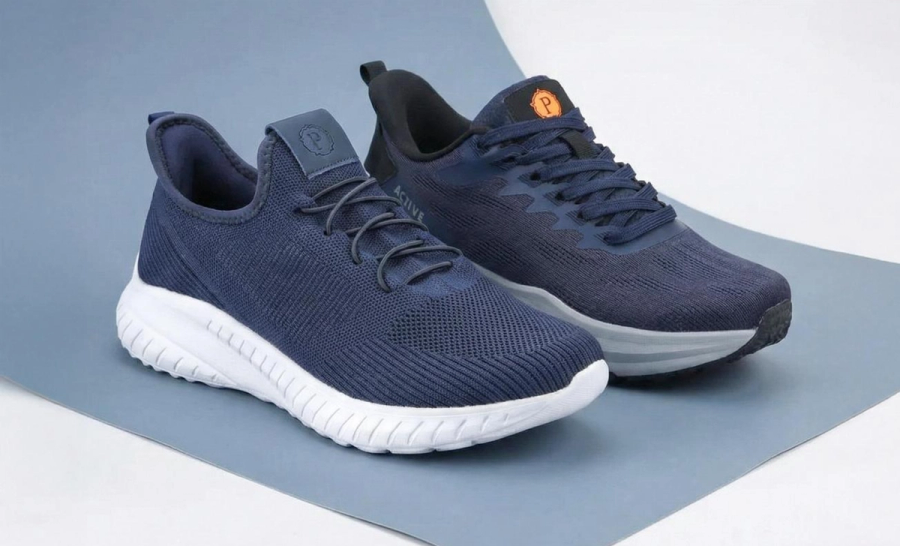
Rocker soles or a subtle heel lift can help ease pressure on the forefoot and encourage a smoother rolling motion through each step. These features can be particularly beneficial if you experience metatarsal discomfort or feel stiffness when walking.
Lightweight Construction
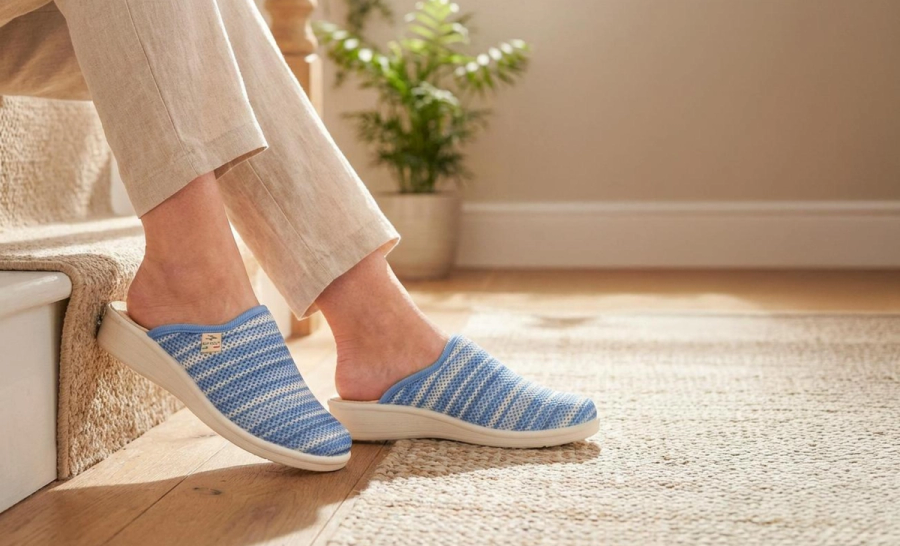
Lightweight shoes reduce the effort required with each step, which can help prevent fatigue, especially if you’re on your feet all day. Materials that are breathable and flexible also enhance comfort.
What to Look for If You Have a High Instep
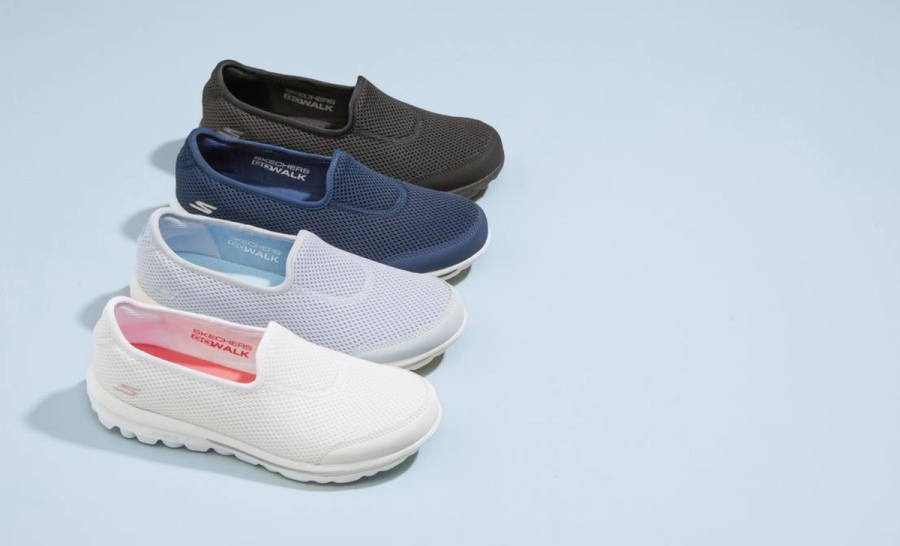
If you’re concerned about a high instep, certain design details can make a noticeable difference to fit and comfort. Keep an eye out for the following features when choosing your next pair:
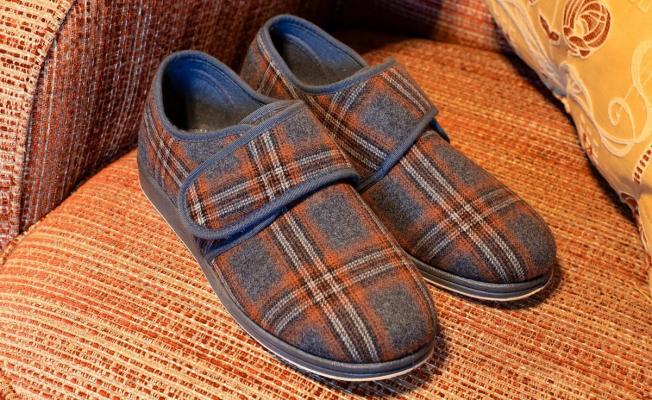
- Deeper uppers: shoes with more internal depth allow your foot to sit comfortably without pressure across the top
- Adjustable fastenings: laces, straps, or buckles help you customise the fit and reduce tightness over the instep
- Soft, flexible uppers: supple materials mould more easily to the shape of your foot and minimise rubbing
- Wide fit options: additional width often provides extra room across both the forefoot and instep. Choosing the right pair will make a noticeable difference in overall comfort and foot health.
- Padded tongue and collar: extra cushioning around the opening helps prevent discomfort from lace pressure
Tips for Managing High Arches
Beyond choosing the right shoes, there are additional ways to support high arches and improve overall comfort.
- Consider rotating your footwear: wearing the same pair every day can accelerate wear and reduce support over time. Alternating between two or more well-structured pairs helps maintain cushioning and prolong shoe life.
- Use custom or over-the-counter orthotic insoles: these can provide additional arch support if needed. If you experience persistent discomfort, a podiatrist may recommend bespoke orthotics tailored to your foot shape.
- Do stretching and strengthening exercises: these can be really beneficial, with gentle calf stretches, foot rolling with a massage ball, and balance exercises helping to improve stability and flexibility.
- Prioritise fit above all else: your shoes should feel secure without tightness across the instep. Adjustable fastenings, laces, or straps can help you fine-tune the fit to your foot shape.
Explore Supportive Styles at Pavers
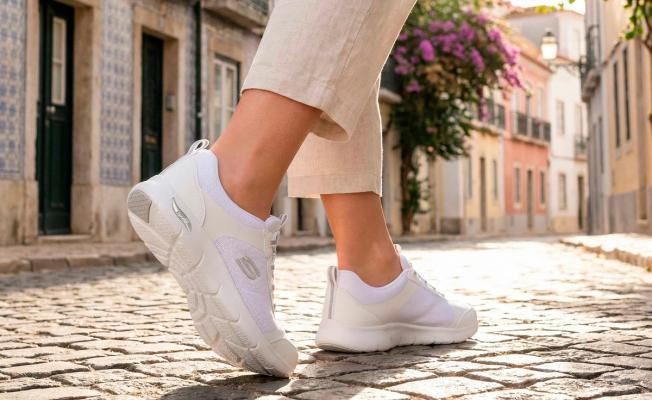
Now you know what to look for in shoes for high arches and high insteps, the next step is to find a pair designed with comfort in mind. Our extensive collections include styles with enhanced arch support, cushioned insoles, shock-absorbing soles and wider fittings, with each pair crafted to help you move with confidence.
Whether you’re refreshing your daily essentials or investing in a more supportive pair for long days on your feet, finding comfortable shoes for high arches has never been easier. And if you’re unsure which style is right for you, pop into your nearest store for personalised advice from our friendly team.